
Your Root Canal Treatment Through a Dental Crown
Root Canal Treatment Through a Dental Crown at Our Mississauga Clinic
One of St. Lawrence Dentistry’s primary goals is to help patients avoid procedures such as root canals and dental crowns whenever possible. In certain cases, however, these treatments become necessary. A root canal performed through an existing dental crown is a specialized subset of root canal therapy. It requires additional time, advanced skill, and specialized equipment compared with a conventional root canal. Dr. Hawryluk Jr. has successfully completed thousands of such procedures.
What To Expect During Root Canal Treatment Through a Crown
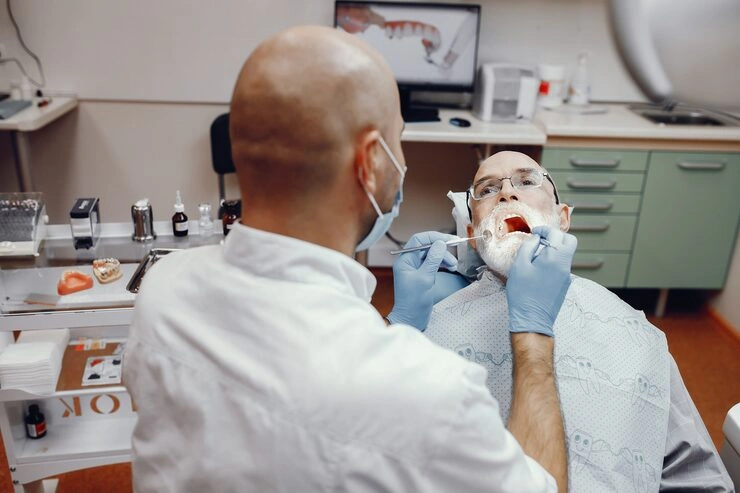
Your treatment begins with the careful creation of a small access opening through the existing crown. Dr. Hawryluk gently removes a minimal amount of porcelain (and any underlying metal) to reach the tooth structure beneath. This step is performed slowly and precisely to minimize stress on the surrounding porcelain and reduce the risk of craze lines. Once access is established, the root canals are located, thoroughly cleaned, sterilized, and sealed. The opening in the crown is then restored with high-quality composite resin. A dental microscope is essential throughout the procedure, as visibility is often reduced when working through an existing crown.
READY TO DISCUSS YOUR TREATMENT OPTIONS?
Call us today at 647-558-9928 or visit us at 80 Port St East, Mississauga to schedule a consultation.
Understanding Why Root Canal Treatment May Be Required After a Crown
Dental crowns are among the most durable and anatomically accurate restorations available. They are the preferred option when insufficient natural tooth structure remains for a conventional filling. The crown preparation process involves reducing the tooth by approximately 1–2 mm in all directions to create space for the porcelain restoration. This reduction can occasionally traumatize the dental pulp. In most cases the nerve recovers within one to two weeks. When recovery does not occur, root canal treatment becomes necessary.
Preserving Your Existing Crown
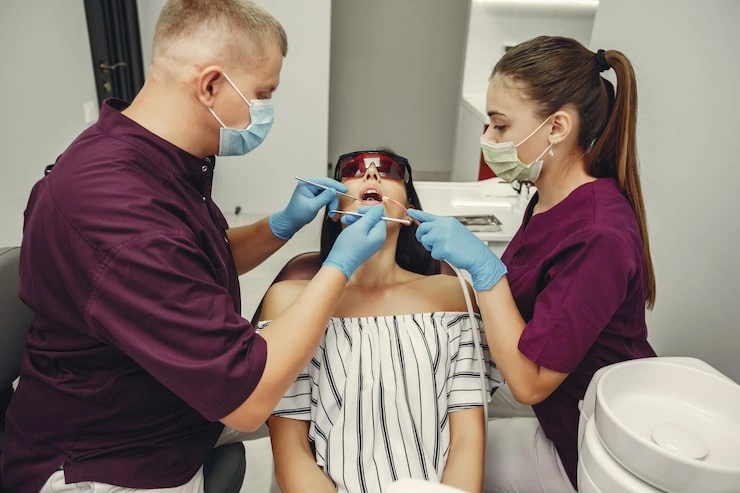
Whenever possible, Dr. Hawryluk performs the required root canal treatment while keeping your existing dental crown intact, sparing you the time and expense of a new restoration.
Precision Through Advanced Technology
The use of a dental microscope is critical when treating through a crown. Enhanced magnification and illumination allow precise canal location, thorough cleaning, sterilization, and sealing—ensuring the highest standard of care even in reduced-visibility conditions.

Frequently asked questions
How is a root canal performed through an existing crown?
A small access opening is carefully created through the crown. The canals are then cleaned, sterilized, and sealed. The opening is restored with composite resin so the crown remains in place.
Will my dental crown need to be replaced?
In many cases the existing crown can be preserved. Dr. Hawryluk prioritizes maintaining your current restoration whenever clinically appropriate.
Why might a tooth need a root canal after a crown is placed?
The crown preparation process can occasionally cause trauma to the tooth nerve. While most nerves recover, some do not, making root canal treatment necessary.
Is a microscope used during the procedure?
Yes. A dental microscope is essential for optimal visibility and precision when working through an existing crown.
How long does the procedure take?
Because of the additional complexity of working through a crown, the appointment typically requires more time than a conventional root canal.
What materials are used to seal the canals?
After thorough cleaning and sterilization, the canals are filled with gutta-percha, a biocompatible rubber material.