
Dental Erosion and Abfraction Treatment in Mississauga
Dental erosion and abfraction are forms of tooth structure loss that are not caused by traditional dental cavities. These defects commonly occur around the cervical, or gumline, portion of a tooth and may eventually cause sensitivity or further loss of tooth structure.
What Is Dental Erosion or Abfraction?
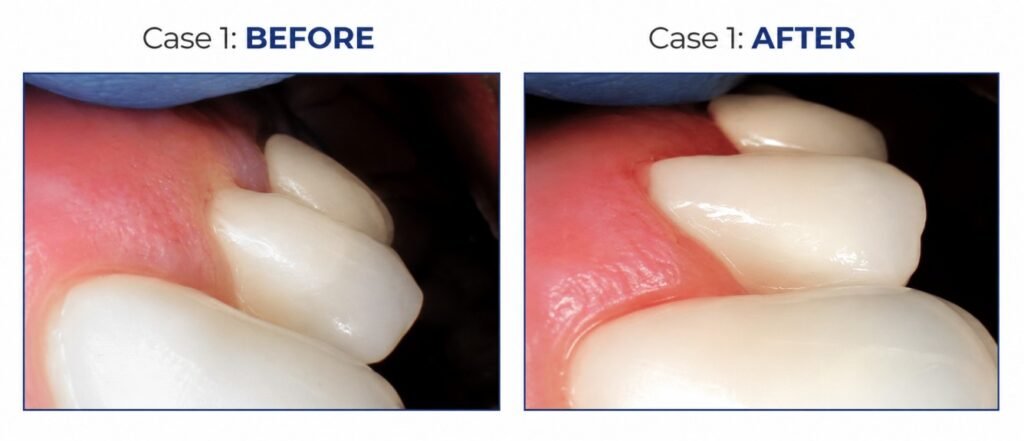
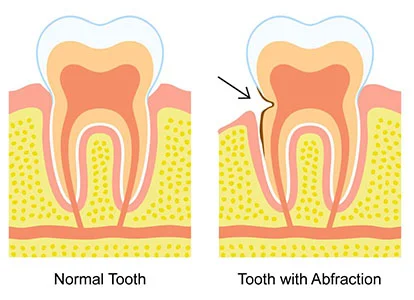
Dental erosion and abfraction can result in the loss of tooth structure around the root or gumline of a tooth.
These are considered non-carious cervical lesions, meaning that the tooth structure has been lost without being caused by conventional dental decay.
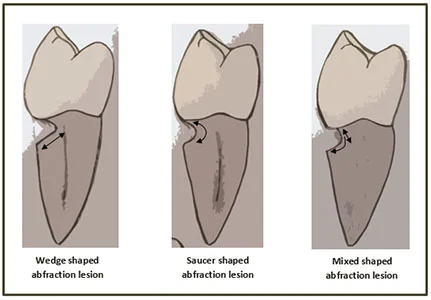
The lesions can sometimes have a distinctive angular appearance with relatively straight edges. One of the first symptoms patients may notice is increased tooth sensitivity.
What Causes Dental Erosion and Abfraction?
Several factors can contribute to tooth structure loss around the gumline.
Gum Recession
When gum tissue recedes, the root surface of the tooth becomes exposed. Unlike the crown of the tooth, the root is covered by cementum, which is softer and more vulnerable to wear.
Acidic Foods and Drinks
Repeated exposure to acidic foods and drinks can contribute to erosion of exposed tooth surfaces.
Tooth Brushing and Abrasion
Aggressive or excessive brushing can contribute to mechanical wear on exposed root surfaces. Using a gentle brushing technique and avoiding excessive pressure can help reduce further abrasion.
PROTECT YOUR NATURAL TEETH
Dental erosion and abfraction do not necessarily mean that extensive dental treatment is required. In many cases, early diagnosis and a conservative composite restoration can help restore lost tooth structure and improve sensitivity.
Symptoms of Dental Erosion and Abfraction
Some patients do not notice these lesions until they become more advanced. Others may experience:
- Tooth sensitivity
- Sensitivity to hot or cold foods and drinks
- Visible notches or indentations near the gumline
- Loss of tooth structure
- Increased sensitivity when brushing
- Changes in the appearance of the tooth near the gumline
If you notice a new indentation, sensitivity, or area of tooth wear, a dental examination can help determine the cause.
How Is Dental Erosion Treated?
Fortunately, many cases of dental erosion and abfraction can be treated conservatively.
At St. Lawrence Dentistry, Dr. Hawryluk Jr. uses a technique-sensitive approach to restore affected areas and help patients retain their natural tooth structure.
Treatment generally involves carefully cleaning the affected area, applying a root conditioner and bonding agent, restoring the tooth with dental composite resin, and shaping and polishing the restoration.
Frequently asked questions
What is the difference between dental erosion and a cavity?
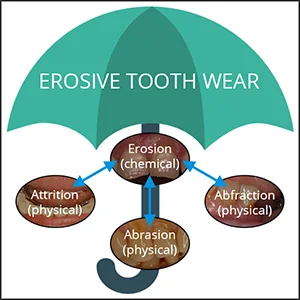
Dental erosion is the loss of tooth structure caused by chemical or mechanical factors rather than traditional bacterial tooth decay. A cavity, or dental caries, is caused by the tooth decay process involving bacteria and acids.
What does an abfraction look like?
An abfraction lesion may appear as a notch, indentation, or angular defect near the gumline. It can sometimes have relatively straight edges. Similar-looking defects can have different causes, so your dentist should assess the area.
Can dental erosion cause tooth sensitivity?
Yes. Dental erosion can expose more vulnerable areas of the tooth and may bring the affected area closer to the dental pulp. This can result in sensitivity to hot, cold, touch, or brushing.
Can dental erosion be repaired?
Yes. Depending on the extent and cause of the tooth structure loss, composite resin can sometimes be used to restore the affected area. Your dentist will determine whether restoration is appropriate for your specific situation.
Can brushing cause dental erosion?
Aggressive brushing can contribute to mechanical wear, particularly when the root surface has become exposed due to gum recession. A gentle brushing technique can help reduce unnecessary abrasion.
Can acidic drinks cause tooth erosion?
Frequent or prolonged exposure to acidic foods and drinks can contribute to erosion, particularly on exposed or weakened tooth surfaces. Limiting prolonged exposure to acidic beverages can help reduce the risk of further damage.
Is dental erosion the same as tooth decay?
No. Dental erosion is a type of tooth wear that is not caused by conventional dental decay. Tooth decay is a disease process involving bacteria, plaque, and acids that progressively damage the tooth.
Can grinding or clenching contribute to abfraction?
Grinding and clenching forces have been associated with abfraction-type lesions. Your dentist can evaluate your bite and determine whether excessive forces may be contributing to the tooth wear.